

Surah Yaseen and Spiritual Reflection During an Umrah Journey
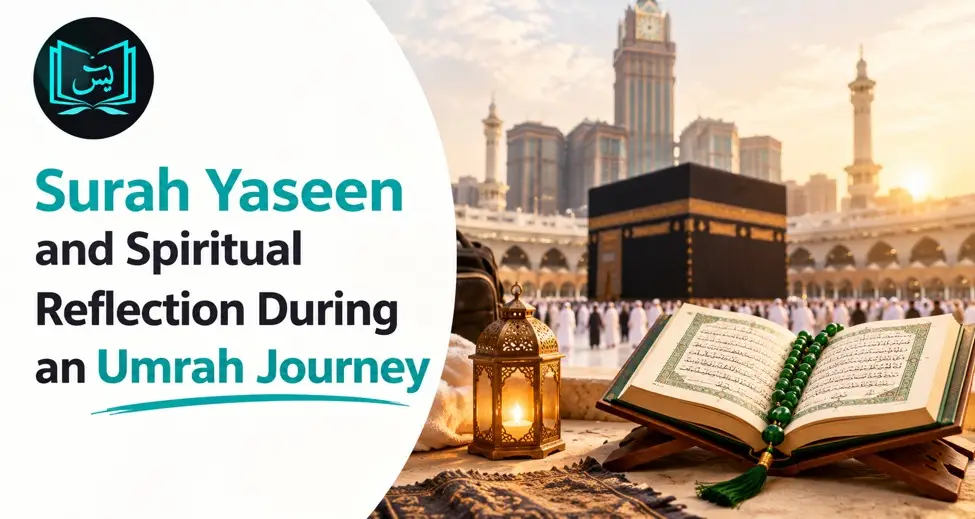
Umrah is a special journey that lets Muslims step away from daily routines and focus on their relationship with Allah. Standing before the Holy Kaaba, offering prayers in Masjid al-Haram, and remembering Allah brings a sense of peace that is difficult to describe in words. For many pilgrims, this journey also becomes an opportunity to reflect on the Quran and understand its message more deeply.
Surah Yaseen is one of the most recognized chapters of the Quran. Its verses remind believers about Allah’s power, the purpose of life, the reality of the Hereafter, and the importance of faith. Reading this Surah during an Umrah journey can encourage thoughtful reflection and help pilgrims connect their worship with the Quran’s lessons.
Understanding the Message of Surah Yaseen
Surah Yaseen is the 36th chapter of the Holy Quran and contains 83 verses. It highlights key Islamic teachings by reminding readers of Allah’s signs, the prophets’ message, and the certainty of resurrection.
The Surah encourages people to look beyond the temporary nature of worldly life. It reminds believers that everyone is responsible for their actions and that returning to Allah is inevitable.
During Umrah, these lessons can feel especially meaningful. Pilgrims leave their homes, families, work, and familiar surroundings to worship Allah. This experience can help them reconsider their priorities and recognise what truly matters in life.
Remembering Allah Through Quranic Reflection
Reading the Quran is not only about completing pages or reciting verses. It is also about understanding its meaning and considering how it applies to everyday life.
When pilgrims read Surah Yaseen, they can pause to reflect on Allah’s creation, His signs, and the purpose of human existence. Such reflection may encourage gratitude, patience, humility, and a stronger commitment to Islamic values.
How Surah Yaseen Connects with the Umrah Journey
Umrah includes important acts of worship, including entering Ihram, performing Tawaf, completing Sa’i between Safa and Marwah, and observing other relevant requirements. Each part of this journey offers an opportunity to remember Allah and renew one’s intentions.
Surah Yaseen can complement this spiritual experience by reminding pilgrims that worship should influence their hearts and behaviour, not only their actions.
Reflection During Tawaf
Tawaf involves walking around the Holy Kaaba seven times while remembering Allah and making personal supplications. Seeing Muslims from different countries worship together can remind pilgrims of the Muslim community’s unity.
The themes of Surah Yaseen encourage believers to recognise Allah’s greatness and reflect on their dependence on Him. A pilgrim may use quiet moments before or after Tawaf to read the Surah, understand its message, and make sincere dua.
There is no requirement to recite Surah Yaseen specifically during Tawaf. Pilgrims can choose Quranic recitation, remembrance, or personal supplications according to their needs and the guidance they follow.
Finding Peace During Sa’i
Sa’i commemorates the efforts of Hajar (AS), who searched for water for her son, Ismail (AS). Her story powerfully reminds us of trust in Allah, perseverance, and hope in difficult circumstances.
The messages found in Surah Yaseen can encourage pilgrims to strengthen their faith and remember that worldly challenges are temporary. Reflecting on the Quran during breaks before or after Sa’i may help them face their struggles with greater patience and trust.
Spiritual Lessons from Surah Yaseen
1. Strengthening Faith in Allah
Surah Yaseen reminds believers of Allah’s power through the signs present in creation. These reminders encourage Muslims to strengthen their belief and recognise that their lives depend on His will.
During Umrah, pilgrims witness the devotion of people who have travelled great distances to worship. This shared experience can inspire them to renew their faith and become more consistent in their prayers after returning home.
2. Remembering the Hereafter
One of the important themes of Surah Yaseen is resurrection and accountability. The Surah reminds people that earthly life is temporary and that their actions have consequences.
For pilgrims, this message offers a chance to examine their habits, relationships, and responsibilities. They may consider whether they treat others fairly, fulfil their obligations, and seek forgiveness for their mistakes.
3. Developing Gratitude and Humility
Umrah allows Muslims to recognise blessings often overlooked in everyday life. Good health, family, safety, and the ability to worship are all reasons to express gratitude.
Surah Yaseen highlights the signs of Allah’s generosity and power. Reflecting on these reminders can help pilgrims become more thankful and less attached to material possessions.
4. Renewing Hope and Seeking Forgiveness
Every believer makes mistakes, but Islam teaches that sincere repentance and turning towards Allah are essential parts of spiritual growth.
The journey of Umrah provides a valuable opportunity to ask for forgiveness, make dua, and develop better habits. Reading the Quran with understanding can help pilgrims identify areas for improvement and move forward with hope.
Practical Ways to Read Surah Yaseen During Umrah
Pilgrims do not need a complicated routine to include Quranic reflection in their journey. A simple and realistic plan can make the experience more meaningful.
- Read after Fajr: Begin the day with Quranic recitation when your schedule and energy allow.
- Understand the translation: Read a reliable translation in your preferred language to understand each verse’s message better.
- Choose quiet moments: Read in your hotel room or another suitable place, away from crowded worship areas.
- Reflect on a few verses: Consider one lesson and how you can apply it in daily life.
- Make sincere dua: Ask Allah for forgiveness, guidance, steadfast faith, and goodness for your family.
- Continue after returning home: Build a regular Quran reading habit instead of limiting reflection to the pilgrimage.
Pilgrims planning their spiritual journey can also review travel arrangements, accommodation, and transport options when comparing Umrah 2027 packages. Preparing these practical details in advance may leave more time and energy for worship.
Making Spiritual Reflection Last Beyond Umrah
The real value of a spiritual journey is not limited to the days spent in Makkah and Madinah. Its lessons become more meaningful when they continue to shape life after returning home.
Surah Yaseen can remind us to remain mindful of Allah, fulfil responsibilities, maintain good character, and remember the Hereafter. Pilgrims can make small changes, such as praying on time, reading the Quran regularly, helping those in need, and avoiding harmful speech.
It is also important to remember that spiritual growth does not depend only on emotional moments. Consistency, sincerity, and efforts to follow Islamic teachings are essential. Even a small positive change maintained over time can become an important part of a believer’s journey.
Conclusion
Surah Yaseen and the experience of Umrah offer meaningful opportunities for reflection, gratitude, and renewed faith. Its reminders of Allah’s power, human responsibility, and the Hereafter encourage pilgrims to look beyond their immediate concerns and focus on spiritual growth.
By reading the Surah with understanding, reflecting on its lessons, and applying those teachings in daily life, Muslims can make their pilgrimage more meaningful. The journey may end when they leave the holy cities, but the opportunity to strengthen their relationship with Allah continues throughout their lives.
Frequently Asked Questions
1. What is the main message of Surah Yaseen?
Surah Yaseen emphasises the message of the prophets, the signs of Allah’s power, the reality of resurrection, and accountability in the Hereafter.
2. Can I read Surah Yaseen during Umrah?
Yes. You can read Surah Yaseen during your Umrah journey at a suitable time, such as in your hotel room or after completing your acts of worship.
3. Is it necessary to recite Surah Yaseen during Tawaf?
No. Reciting Surah Yaseen during Tawaf is not required for Umrah. You may recite the Quran, remember Allah, and make supplications.
4. How can Surah Yaseen improve my spiritual reflection?
Reading its verses with a reliable translation can help you reflect on faith, gratitude, accountability, and life’s purpose. Applying these lessons can support personal and spiritual growth.
5. Should I continue reading Surah Yaseen after returning from Umrah?
Yes, you may continue reading it as part of your regular Quran routine. Try to understand its meaning and apply its lessons while maintaining consistency in your worship and daily conduct.
